Once upon a time, words meant things. A woman was a woman. A citizen was a citizen. A job required qualifications. Reality had edges. Definitions had weight. Then somewhere along the way, we upgraded reality with a software patch called Self-Identification, and suddenly everything became optional.
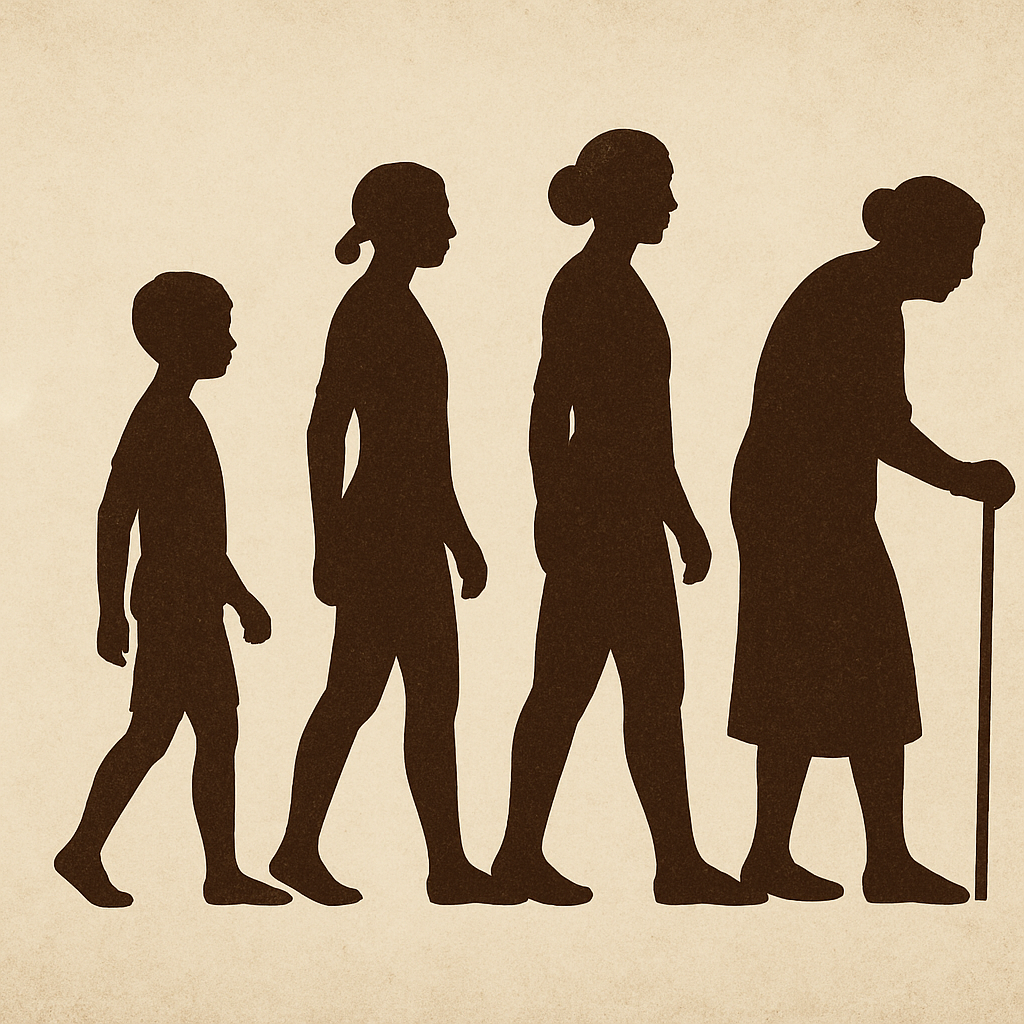
Today, I am informed—often loudly and without appeal—that the concept of “woman” is merely a social construct. Not a biological reality. Not a historical category shaped by centuries of shared experience. Just an idea. A vibe. A personal setting on the identity control panel. Thanks in no small part to the cultural leadership of the Democratic Party, we now live in a world where womanhood is no longer something one is—it is something one simply claims.
If I were a woman, I would be completely offended by this.
Imagine spending generations fighting for recognition, legal rights, bodily autonomy, safety, and equal opportunity—only to be told that your identity is now so fluid that anyone can download it like an app. Womanhood, we’re told, is no longer defined by biology, reproduction, or even shared social hardship. It’s a feeling. And feelings, apparently, outrank facts.
But the real entertainment begins when we apply this logic consistently.
If identifying as something makes it so, then why stop at gender? Why not go all in?
Can an undocumented immigrant identify as a United States citizen and receive a passport at the door? Can I identify as a licensed physician and start performing surgery at the neighborhood urgent care? Can someone identify as a member of Congress and vote themselves a raise? Can I identify as a border collie and demand chew toys and tax exemption?
After all, credentials are just constructs. Laws are just constructs. Biology, evidently, is just a suggestion.
This is the philosophical endgame of identity absolutism: when everything is self-defined, nothing is actually defined at all. Reality becomes a shared hallucination negotiated by whoever shouts “affirm me” the loudest. Objective standards give way to emotional veto power. And words, once tools for clarity, become weapons for coercion.
Supporters insist this is all about compassion. Critics suspect it’s about control. Because when truth is no longer anchored to observable reality, whoever controls the definitions controls the conversation—and ultimately the culture. And right now, the political class on the left is very comfortable acting as the high priests of what must be “affirmed” and what must be “canceled.”
Let’s be honest: The slogan used to be “Follow the science.” Now it’s more like “Ignore the science—follow the feelings.”
And here’s the quiet irony in all of it: In trying to dissolve the definition of woman in the name of progress, we may be erasing the very thing feminists once fought hardest to protect—sex-based recognition. If woman can mean anything, then it ultimately means nothing. And when nothing has a definition, everything becomes arbitrary.
So I’ll ask the question that no one in polite political company wants to answer:
If I can be anything simply by identifying as it…
What, exactly, can’t I be?
Because once identity replaces reality, the only remaining law is imagination—and imagination has never been known for respecting boundaries.